
Electrical Troubleshooting
Fast, accurate diagnostics to identify the root cause.
Quick Answers
Tap to expand:
-
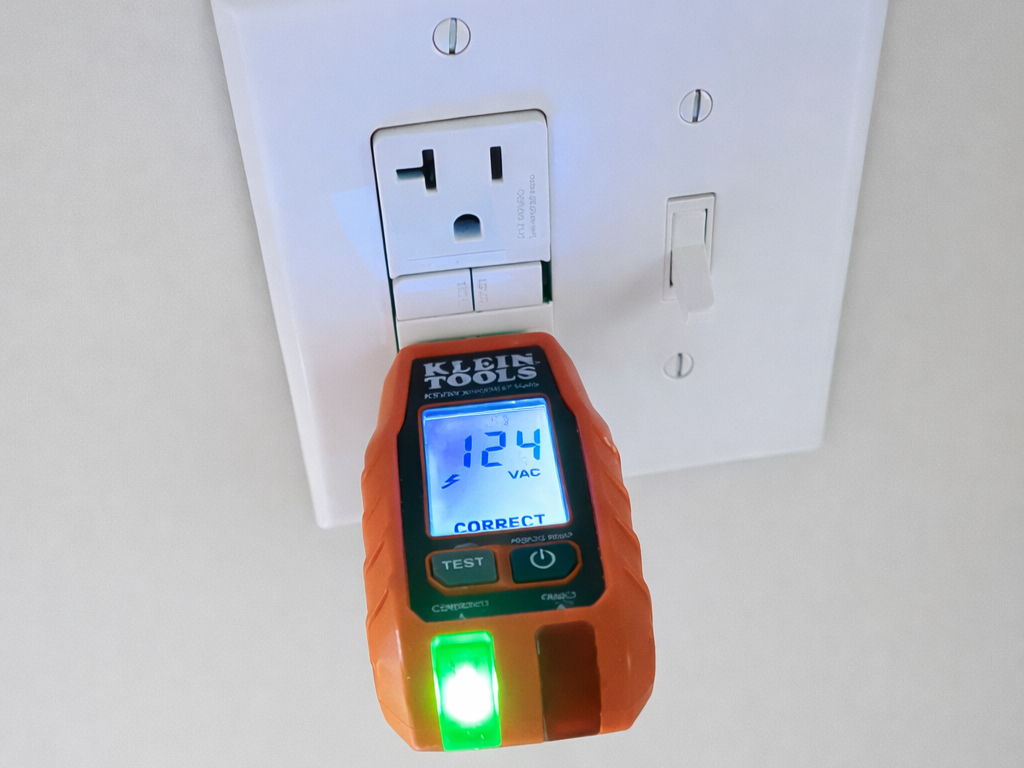
We use professional testing to pinpoint the root cause. This may include circuit testing, breaker/panel diagnostics, GFCI/AFCI fault tracing, voltage drop checks, and verification of neutrals and grounding on affected circuits. You’ll get a clear explanation and repair options before any work begins.
-
If you notice any of these, it’s worth a diagnostic:
Breakers tripping repeatedly
Flickering/dimming lights
Dead outlets or partial power loss
Burning smell, buzzing, or warmth at devices
GFCI that won’t reset
Problems after storms or renovations
-
Along the coast, we frequently find issues related to salt air and humidity, including corrosion in panels and connections, moisture-related GFCI failures, outdoor receptacles that deteriorate faster, and aging equipment impacted by rust and oxidation. These often cause intermittent power loss or nuisance tripping.
-
Often, yes. if the repair is straightforward and parts are available (loose connection, failed device, bad breaker, GFCI, etc.). If the issue requires a larger repair (panel work, major circuit repairs, or permitting), we’ll provide clear options and schedule the next step.
-
Troubleshooting is a diagnostic service. You’re paying for accurate testing, time, and expertise to identify the cause. After diagnosis, you’ll receive repair options with upfront pricing. If you approve a repair, we’ll apply the findings directly to the fix.
-
Yes. If an inspection flags electrical concerns (open grounds, GFCI issues, panel concerns, tripping breakers, missing bonding, etc.), we can diagnose and provide a clear scope for repairs. We communicate clearly with homeowners, agents, and inspectors and can provide documentation when needed.
-
If you have burning smells, scorching, heat at outlets/switches, buzzing from the panel, repeated breaker trips, or visible damage, treat it as urgent. Turn off the affected circuit if safe and contact us immediately.
What We Often Discover
Real issues found during electrical troubleshooting
Main Breaker & Coastal Corrosion
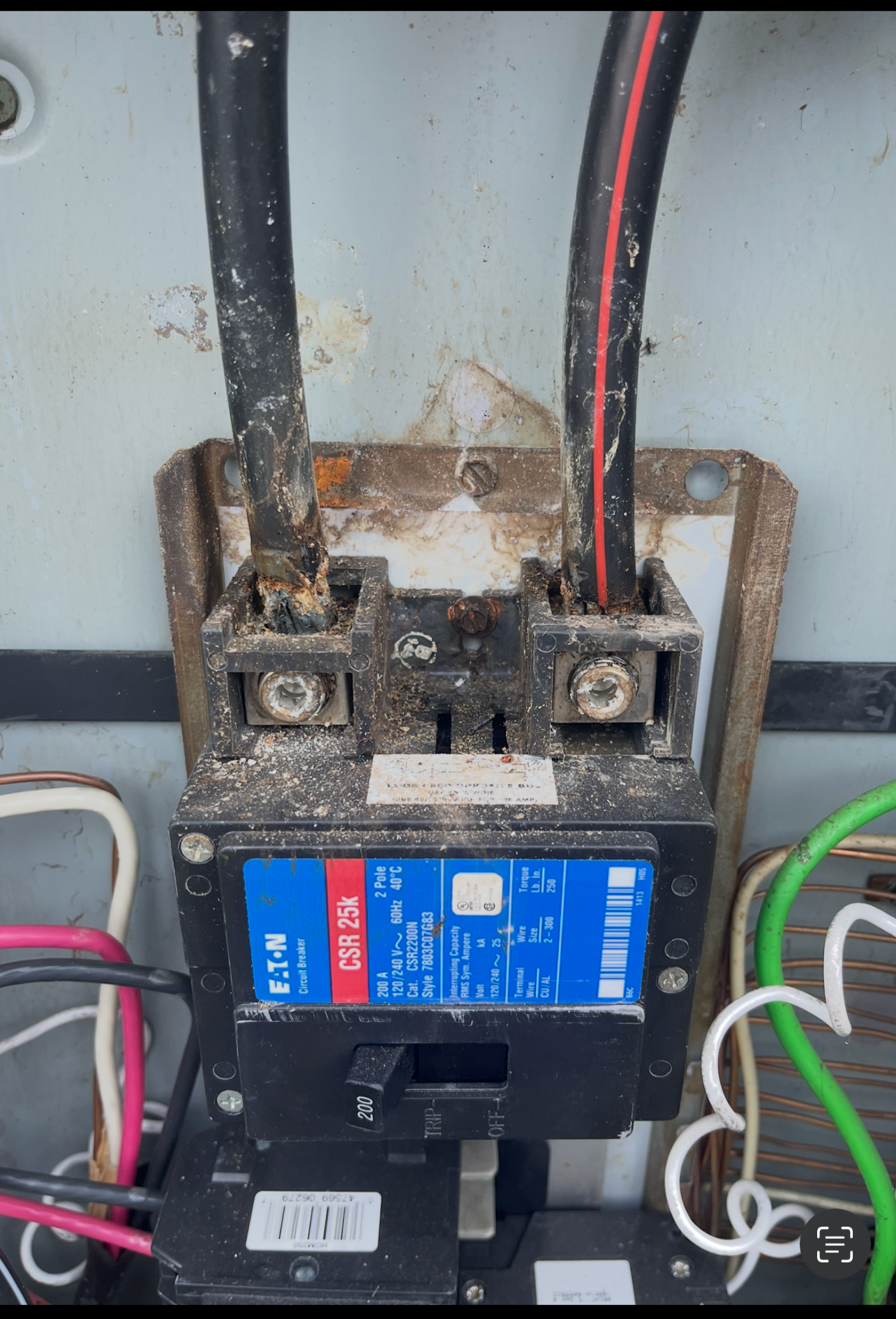
This photo was taken during an inspection at a recently purchased Myrtle Beach home. The home inspection report had flagged the outdoor main breaker panel for visible corrosion. After opening the panel for a closer evaluation, we confirmed significant rust and oxidation on the main breaker and connection points. In coastal environments, salt air and humidity gradually deteriorate outdoor electrical equipment, even when it was originally installed correctly. Conditions like this often require proactive repair or replacement to maintain safety and reliability.
-
Homes along the coast are constantly exposed to salt air and high humidity. Even when equipment is installed correctly, outdoor electrical panels slowly accumulate moisture and airborne salt over time. This environment accelerates rust and oxidation on metal components, especially at the main breaker and connection points.
In a home built in 2008, this type of wear is very common after 15+ years of coastal exposure. It doesn’t mean the original installation was done incorrectly, it’s simply the reality of living near the ocean.
-
Corrosion on a main breaker can lead to several problems, including:
Intermittent power loss
Breakers tripping unexpectedly
Flickering or dimming lights
Overheating at connection points
Reduced electrical reliability
Difficulty resetting breakers
Premature failure of breakers or panel components
Because the main breaker controls power to the entire home, issues here affect everything downstream.
-
This condition is not an immediate emergency, but it is a problem that should be addressed in a timely manner.
Corrosion like this tends to get worse, not better. Left uncorrected, it can eventually cause:
Heat buildup
Poor electrical connections
Equipment failure
Potential safety concerns
Catching it early allows for controlled, planned repairs instead of unexpected outages or costly emergency replacements.
Overheated and Failing Breakers
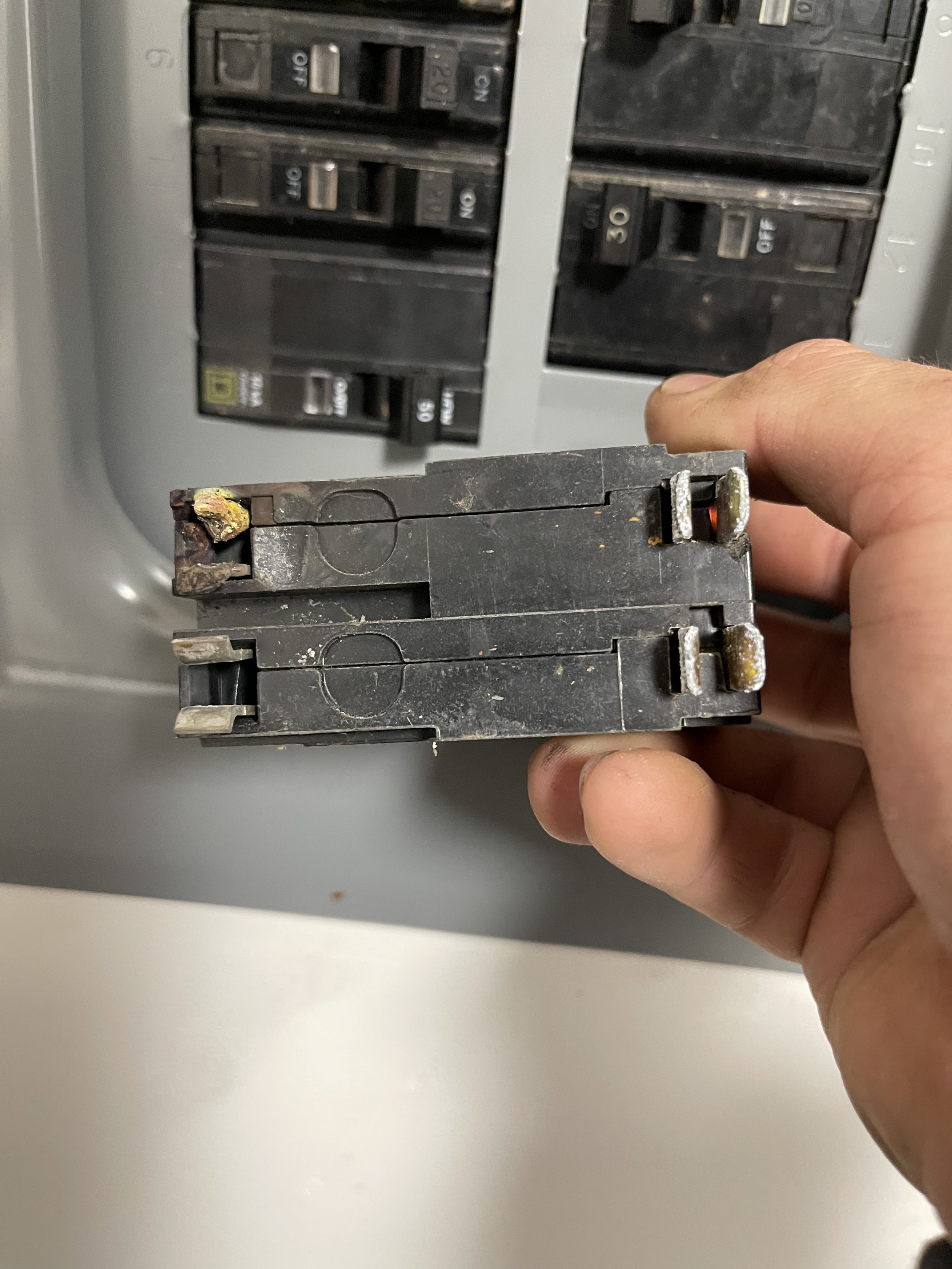
This photo was taken during a service call at a Wilmington rental property where the tenant reported the electric range had stopped working. After testing the circuit, we discovered the breaker was no longer delivering proper 240 volts. One leg of the breaker had failed internally. When the panel was opened and the breaker removed, we found visible burn and melting damage on one of the breaker prongs, a clear sign of overheating and long-term deterioration.
-
Age and long-term wear
Loose connections inside the panel
Heat buildup from high-demand circuits
Coastal humidity and salt air
Older breaker designs not built for modern loads
-
Flickering lights
Breakers tripping randomly
Warm or hot panel cover
Burning smell near the panel
Outlets or appliances losing power intermittently
-
Nuisance tripping
Damaged wiring and devices
Melted breaker connections
Complete circuit failure
Increased risk of electrical fire
-
Thermal inspection of the panel
Torque-testing connections
Replacing damaged or outdated breakers
Evaluating load on critical circuits
Upgrading panels when necessary
-
Loose wiring connections behind the receptacle
Aging outlets that can no longer grip wires tightly
Heavy-use devices like space heaters and kitchen appliances
“Plug-in” (backstab) wiring methods instead of screw terminals
Coastal humidity and salt air accelerating deterioration
Over time, these factors create resistance at the connection point, and resistance creates heat.
-
When a connection loosens inside the wall, electricity can begin to arc.
Arcing creates intense, concentrated heat that isn’t visible to the homeowner.This can lead to:
Burned or melted outlets
Tripping breakers
Flickering lights
And in serious cases, fire inside the wall where it can’t be seen
That hidden nature is what makes loose connections especially dangerous.
-
Modern electrical codes now require Arc-Fault breakers in most living areas because they are designed to detect dangerous arcing conditions.
Homes built before these requirements often rely on standard breakers, which do not detect arcing.
Without AFCI protection:
Arcing can occur with little to no warning
A breaker may never trip
Damage can continue unseen for years
Upgrading to AFCI protection is one of the best safety improvements you can make in an older home.
-
Our standard repair process includes:
Replacing damaged outlets and wiring
Moving all connections to secure screw terminals
Inspecting the entire circuit for similar issues
Upgrading to AFCI protection when recommended
Testing under load to confirm safe operation
We don’t just replace the outlet, we correct the root cause.
-
Contact a professional if you notice:
Warm or discolored outlets
Burning smells near receptacles
Flickering lights when plugging in devices
Outlets that stop working randomly
Breakers tripping without clear reason
These are early warning signs that should never be ignored.
Overheated Outlets from Loose Connections
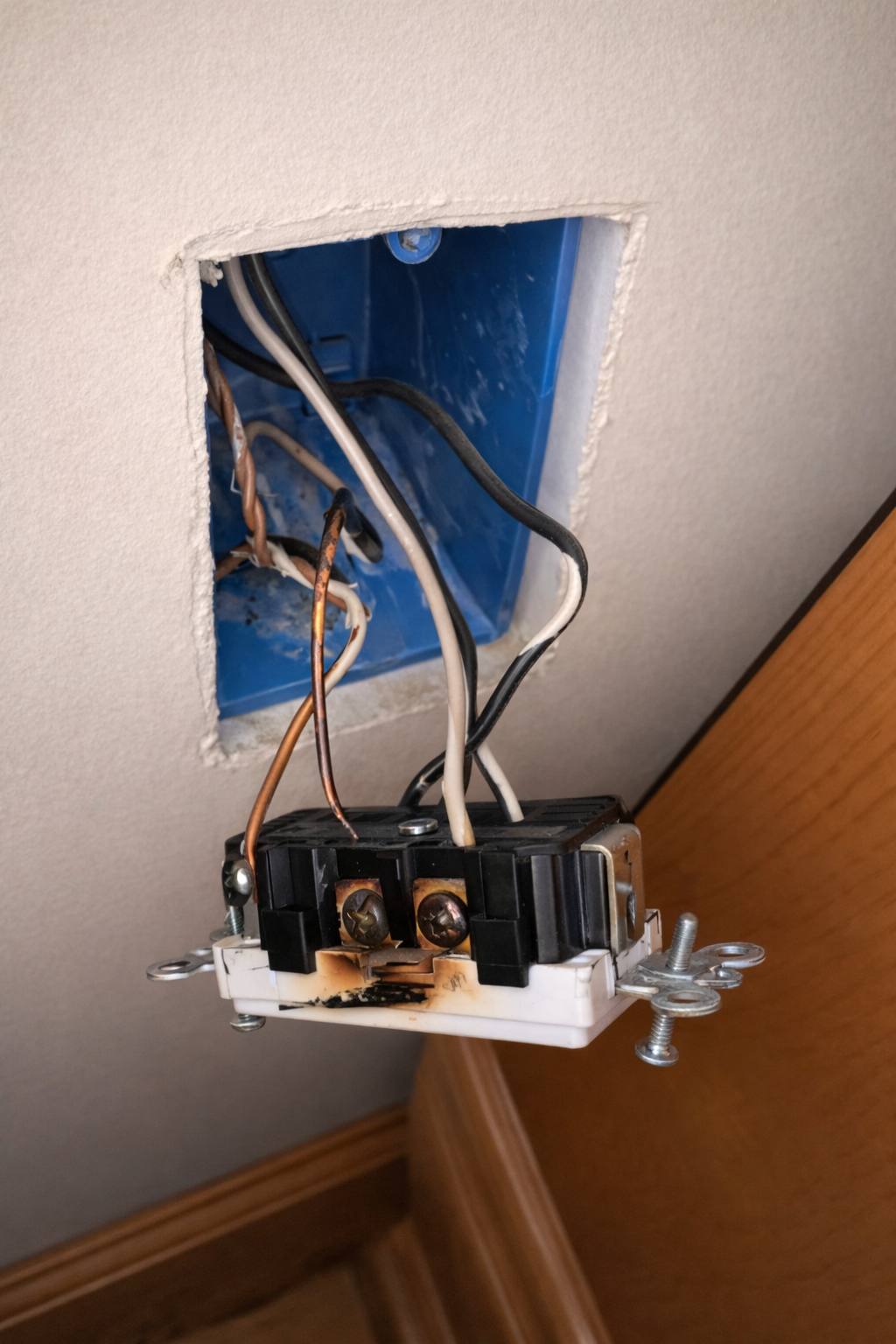
Damage like this is most often caused by loose wiring connections behind the outlet. Many receptacles were installed using quick “plug-in” or backstab connections instead of secure screw terminals. Over time those connections can loosen, creating small electrical arcs inside the wall. Arcing produces intense heat, which can lead to burning, melted outlets, and in the worst cases, fire hidden behind drywall, especially in homes that do not have modern Arc-Fault (AFCI) protection.
Expert Electrical Troubleshooting – Myrtle Beach to Wilmington
Electrical problems don’t fix themselves, they get worse. If you’re dealing with flickering lights, tripping breakers, dead outlets, or strange electrical behavior, you need accurate troubleshooting from a licensed professional.
At Southern Standard Electric, we specialize in fast, reliable electrical troubleshooting and diagnostics for homeowners along the Carolina coast. Our goal is simple: find the real problem, explain it clearly, and provide safe, long-term solutions.
We commonly help with:
Electrical troubleshooting for homes and rental properties
Circuit breakers that keep tripping
Burnt or overheated breakers
Corroded outdoor panels in coastal environments
Outlets that stop working
Flickering or dimming lights
Loose electrical connections
GFCI and AFCI issues
Partial power loss
Electrical safety concerns found on home inspections
If you’ve searched for “electrical troubleshooting near me,” you’ve found the right team.
Don’t Ignore Electrical Problems
Loose connections, failing breakers, and aging equipment can lead to:
Hidden overheating behind walls
Intermittent power failures
Damage to appliances and electronics
Increased risk of electrical fire
Professional troubleshooting catches these issues early – before they turn into expensive or dangerous problems.
Proudly Serving Coastal Carolina Communities
We provide professional electrical troubleshooting and repair throughout:
South Carolina
Myrtle Beach
North Myrtle Beach
Garden City
Surfside Beach
Pawleys Island
Conway
Horry & Georgetown Counties
North Carolina
Wilmington
Hampstead
Leland
Southport
Shallotte
Brunswick & New Hanover Counties
No matter where you’re located along the coast, we’re ready to help diagnose your electrical issue the right way.
Schedule Electrical Troubleshooting Today
If something doesn’t feel right with your home’s electrical system, trust a local, licensed electrician to diagnose it correctly the first time.
Call Southern Standard Electric today for fast, honest electrical troubleshooting:
🕒 Prompt, Professional Service
✔ Clear Explanations
✔ Up-Front Pricing
✔ Licensed, Insured & Bonded
From Myrtle Beach to Wilmington, we’re here to keep your home safe, reliable, and up to Southern Standard.